Israel is Losing - and They Know It | Imam Tom Live

How to Fight the Israeli Backlash | Imam Tom Live

On the Gaza Ceasefire | Imam Tom Live

Courage in the Face of Israeli Censorship | Imam Tom Live

How To Become A Strong Muslim Leader | Imam Tom Live

How to Develop Better Habits | Imam Tom Live

Does Protesting Work? | Imam Tom Live

Michigan Mosques Say NO! | Imam Tom Live

Musk's Take, Columbia's Skunk Surprise, Islamic Unity, and India's Ram Revelation | Imam Tom Live

The Lives of Imams, Hate Crime in Texas, Israeli Humiliation, Ceasefire Resolutions | Imam Tom Live

Israel Bombs Rafah During Superbowl, that Biden Tweet, and Constructive Conversations | Imam Tom Live

What Will Ramadan be Like in Rafah? A Conversation About Sha'aban and Leadership | Imam Tom Live

Unveiling Truths: Aaron Bushnell, NYT's Agenda, & Stopping Military Aid to Israel | Imam Tom Live

Biryani Diplomacy: The Illusion of Political Influence & the "Flour Massacre" | Imam Tom Live

Live Revolution: The West Rallies for Gaza | Imam Tom Live

University Raids, Fake Negotiations, Holocaust Remembrance? | Imam Tom Live

Do Influencers Owe their Followers Advocacy? | Imam Tom Live

Israel's Ceasefire Rejection, Nurse Fired for Gaza, and the Law of Sacrifice | Imam Tom Live

Muslim Influencers Profiting from Apartheid | Imam Tom Live

The Real Guise of 'Islamophobia' | Imam Tom Live

What France & UK's Electoral results mean for Muslims | Imam Tom Live

No Limits: Israel’s Growing Atrocities and Global Indifference | Imam Tom Live

Falsehood is Bound to Vanish | Imam Tom Live

Hypocrisy at the DNC | Imam Tom Live

Empowering Student Activism | Imam Tom Live

Remembering Aysenur's Courage | Imam Tom Live

Muslim Votes Swing 2024 | Imam Tom Live

All Praise Be to Allah in Every Situation | Imam Tom Live

Oct 7th Changed Everything | Imam Tom Live

Allah Will Ask: What Did You Do With Your Freedom? | Imam Tom Live

Surah Al-Kawthar & Atomic Habits | Imam Tom Live

Atomic Habits: Why Most Quit Early | Imam Tom Weekly

Surah An-Nas & Atomic Habits | Imam Tom Weekly

Why You Can't Resist Cravings (and How to Take Back Control) | Atomic Habits | Imam Tom Weekly

Surah Al-Ikhlas & Atomic Habits | Imam Tom Weekly

Surah Al-Masad & Atomic Habits | Imam Tom Weekly

Why Reps Matter More than Time | Imam Tom Weekly

What Does Trump's Second Term Mean for Muslims? | Imam Tom Weekly

The Islamic Cure for Overconsumption | Imam Tom Weekly

Doomscrolling is Rewiring Your Brain | Imam Tom Weekly

Trump Wants to Take Over Gaza | Imam Tom Weekly

Will Celebrity Muslims Save Us? | Imam Tom Weekly

Why Don't Muslims Just Leave? | Imam Tom Weekly

When Did Ramadan Become a Festival | Imam Tom Weekly

Muslims Are a People of Principle | Imam Tom Weekly

The Dark Truth About Secularism | Imam Tom Weekly

The Secret Cost of Individualism | Imam Tom Weekly

How Islamic History Was Frozen and Forgotten | Imam Tom Weekly

The Ummah or the Nation? | Imam Tom Weekly

Debunking the 'Islamic Dilemma' | Imam Tom Weekly

How Music Impacts Your Brain | Imam Tom Weekly

Malcolm X's Legacy We Forgot About | Imam Tom Weekly

Hajj is the Great Equalizer | Imam Tom Facchine

The Multi-Million Dollar War on Islam | Focal Point with Imam Tom Facchine

How Islam Completed what Christianity Began | Imam Tom Facchine

Why the Islamic Calendar Matters | Snapshots with Imam Tom Facchine

How Colonialism Hijacked the Muslim World | Focal Point with Imam Tom Facchine

What Activism Is Missing Today | Snapshots with Imam Tom Facchine

How to Stop Chasing Validation | Snapshots with Imam Tom Facchine
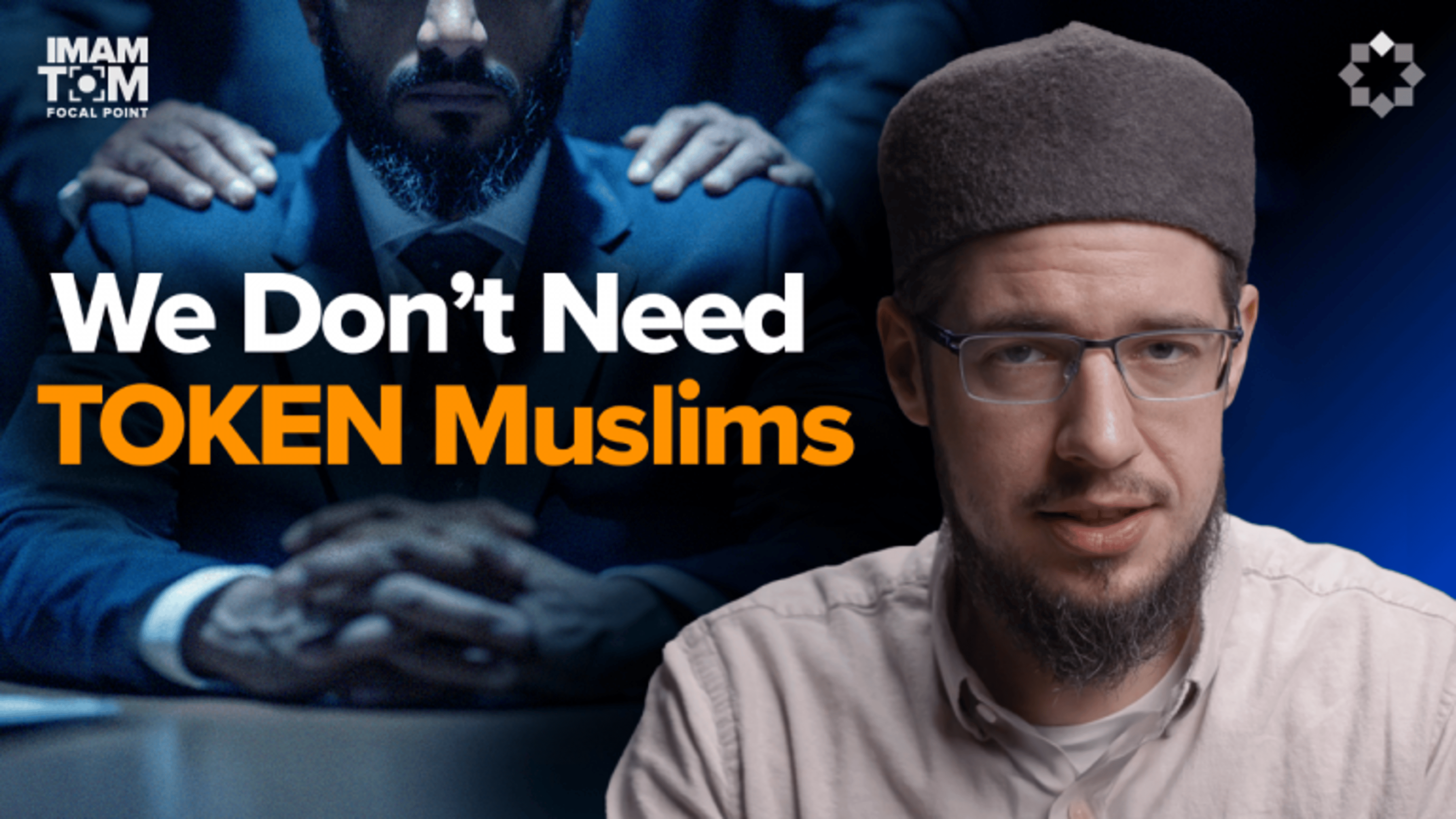
Representation Isn’t Working. Here’s Why. | Focal Point with Imam Tom Facchine
Is This Da’wah or Entertainment? | Snapshots with Imam Tom Facchine

Islam Isn’t Just Therapy | Snapshots with Imam Tom Facchine
The Hidden Bias in Every History Book | Focal Point with Imam Tom Facchine

How Your Victim Mindset is Destroying You | Snapshots with Imam Tom Facchine
Modesty Is More Than What You Wear | Snapshots with Imam Tom Facchine
Will Recognition Help Palestine? | Snapshots by Imam Tom Facchine
Israel’s Link to U.S. Anti-Terror Policy | Focal Point with Imam Tom Facchine
Living Up to the Prophet’s ﷺ Final Speech | Snapshots with Imam Tom Facchine
How Should We View Gaza’s Celebrity Support? | Snapshots with Imam Tom Facchine
How to Stop Falling for Fake Mahdis | Snapshots with Imam Tom Facchine
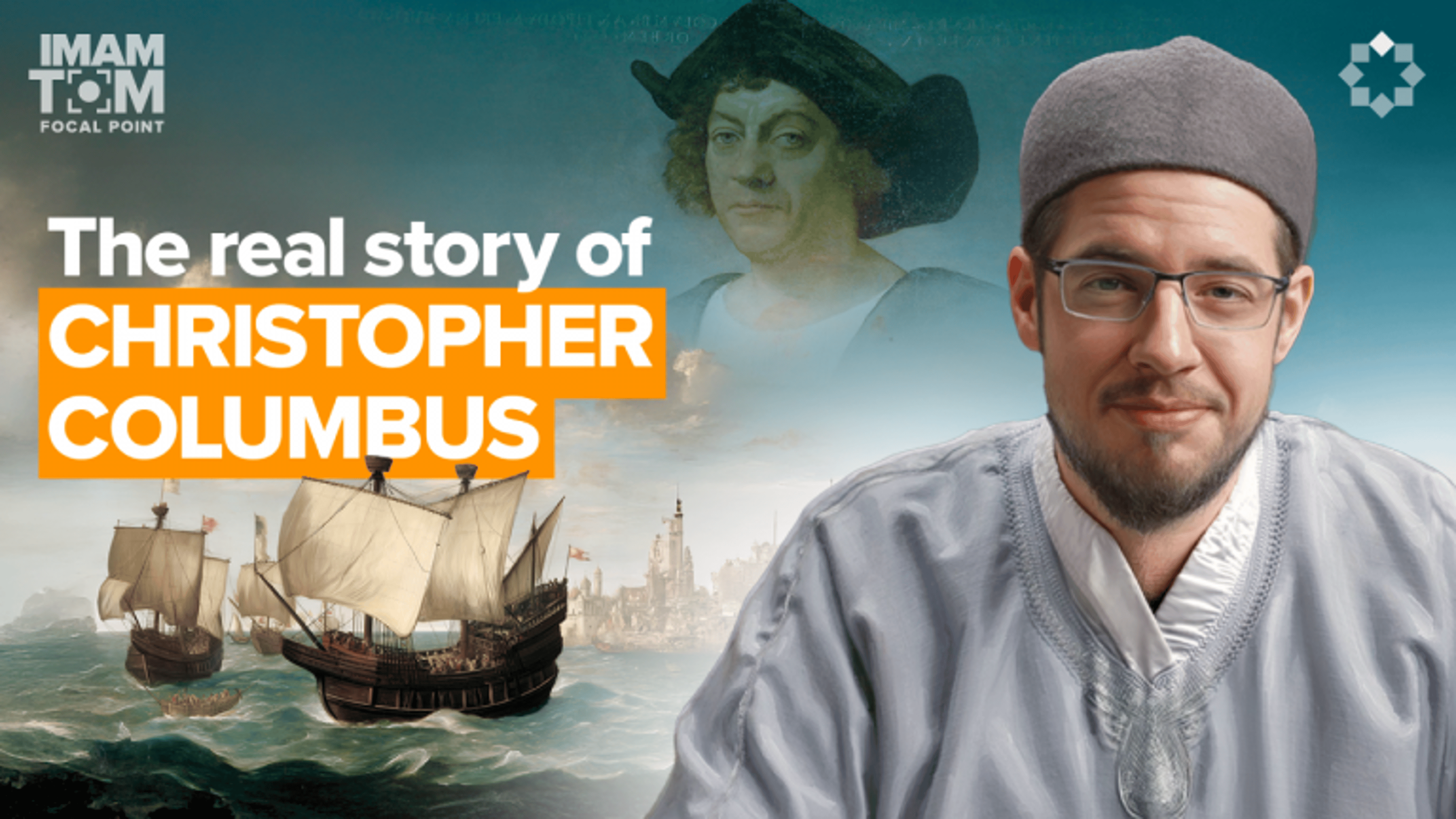
Columbus Wasn't Just After Gold – He Wanted Jerusalem | Focal Point with Imam Tom Facchine
Why Some Scholars Critique Resistance | Focal Point with Imam Tom Facchine
Why You Can’t Escape Organized Religion | Snapshots with Imam Tom Facchine
Kings Chased Thrones. He ﷺ Chased This Instead | Snapshots with Imam Tom Facchine
What Islam Reveals About Socialism and Capitalism | Focal Point with Imam Tom Facchine

What Real Masculinity Looks Like | Snapshots with Imam Tom Facchine
Amazon's Kill System & the Network Behind Sami's Detention | Focal Point with Imam Tom Facchine

The Truth About AI’s Intelligence | Snapshots with Imam Tom Facchine
What the Qur’an Says About Christianity | Snapshots with Imam Tom Facchine
How Does the Qur’an View the Bible? | Snapshots with Imam Tom Facchine

What ‘Allahu Akbar’ Really Means (And Why It Scares Them) | Snapshots with Imam Tom Facchine
Debunking the Myth of the ‘Oppressed Muslim Woman’ | Snapshots with Imam Tom Facchine
Why Not Every Seat is One Worth Taking | Focal Point with Imam Tom Facchine
What Sharia Law Actually Means | Snapshots with Imam Tom Facchine
Does Islam Actually Oppose Science? | Snapshots with Imam Tom Facchine

How ‘Taqiyya’ Became an Islamophobic Talking Point | Snapshots with Imam Tom Facchine
Who's Your Real Enemy? | Snapshots with Imam Tom Facchine
The Promise and Paradox of the Islamic Republic | Deep Dive: Iran Ep. 1 | Imam Tom Facchine
Iran vs. Saudi Arabia: Who Represents the Ummah? | Deep Dive: Iran Ep. 2 | Imam Tom Facchine
Should We Show Solidarity with Iran? | Deep Dive: Iran Ep. 3 | Imam Tom Facchine
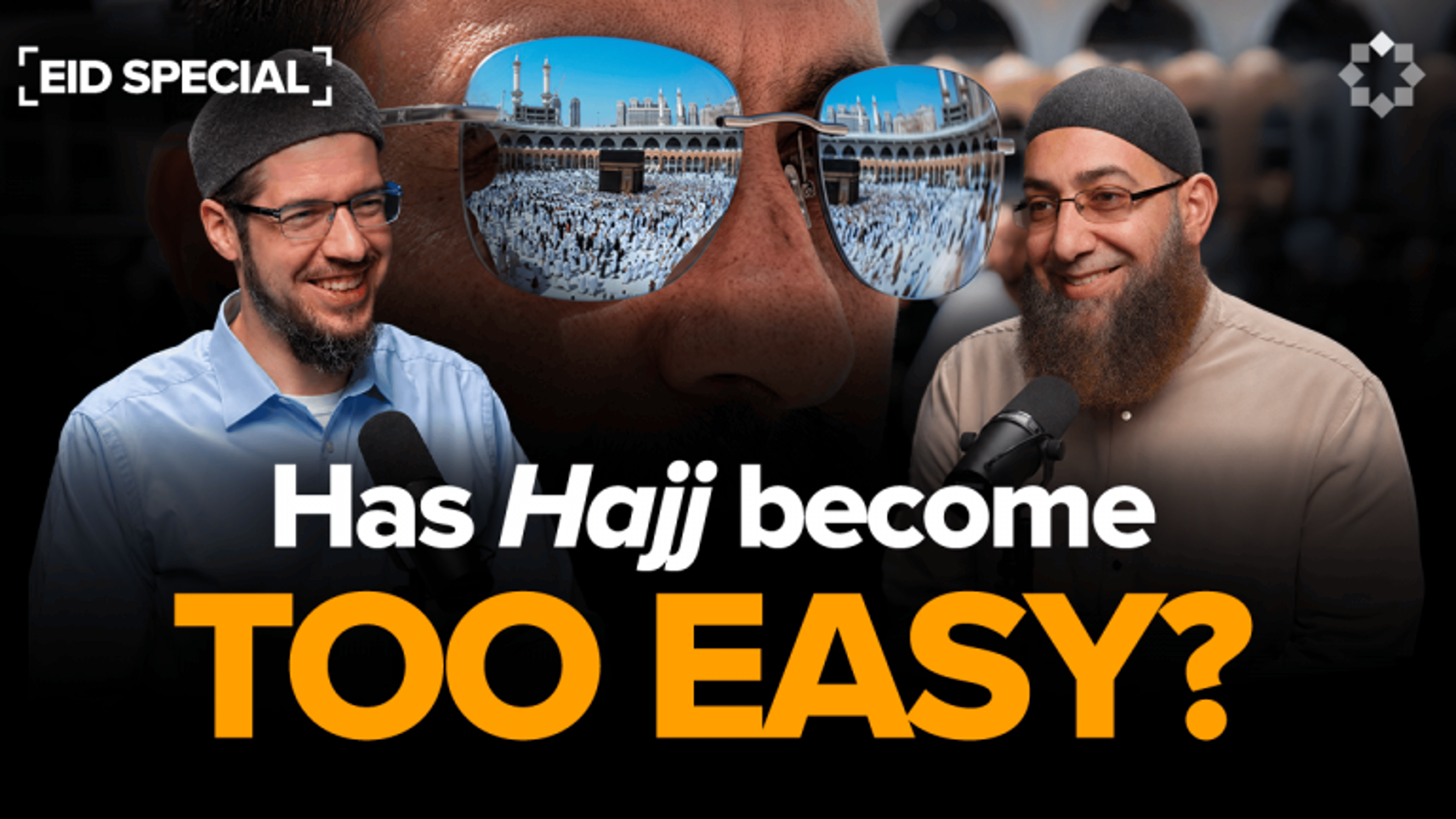
Unforgettable Stories From Hajj | Imam Tom x Shaykh Elshinawy
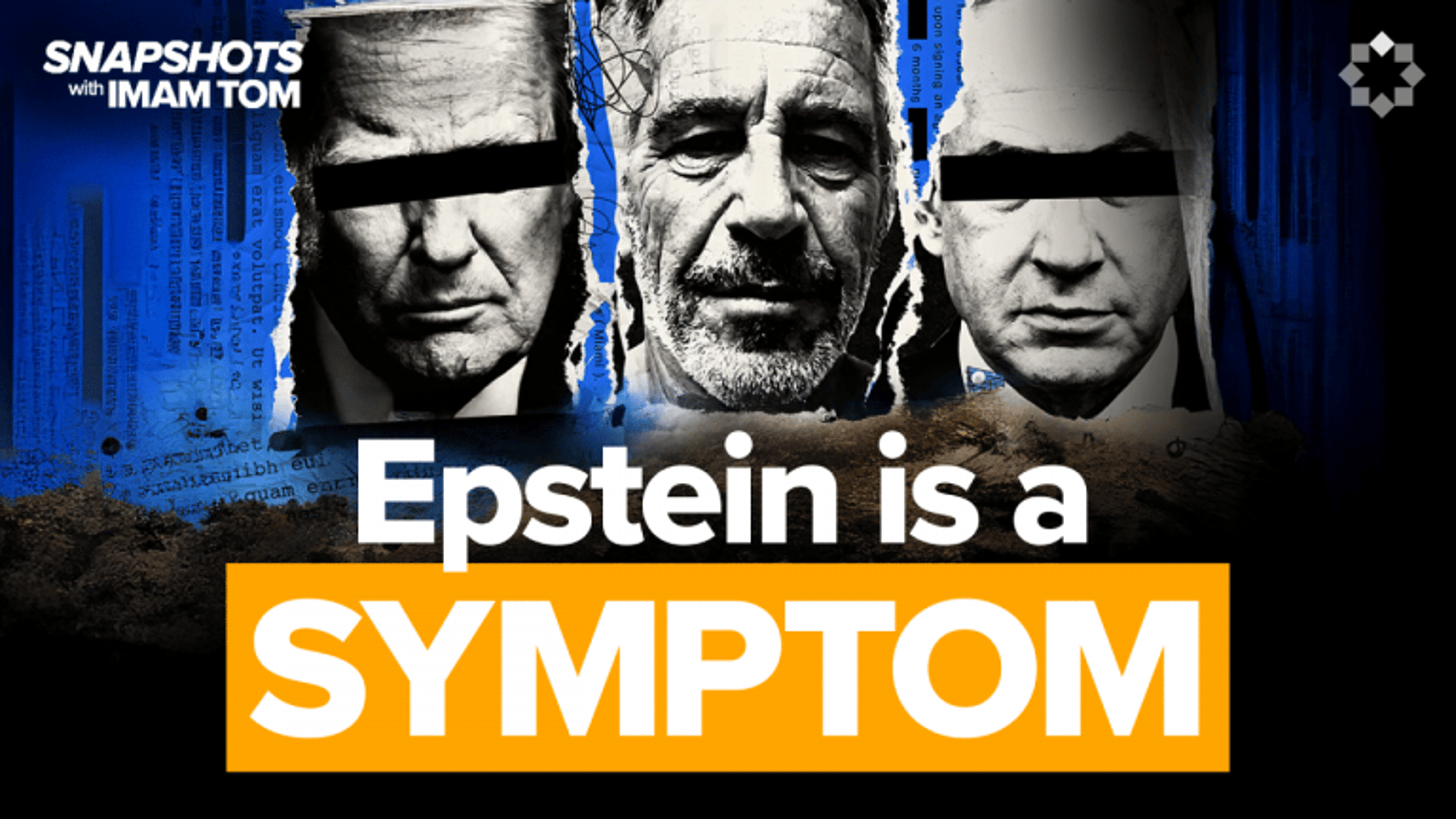
Epstein and the Double Standard of Justice | Snapshots with Imam Tom Facchine
Imam Tom Live
Surah Al-Ikhlas & Atomic Habits | Imam Tom Weekly
What does it mean for Allah to be As-Samad? Imam Tom begins with a reflection on Surah Al-Ikhlas, exploring this unique name of Allah. Then, he dives into Atomic Habits, uncovering how social norms shape our habits. Who—or what—truly influences you?