Israel is Losing - and They Know It | Imam Tom Live

How to Fight the Israeli Backlash | Imam Tom Live

On the Gaza Ceasefire | Imam Tom Live

Courage in the Face of Israeli Censorship | Imam Tom Live

How To Become A Strong Muslim Leader | Imam Tom Live

How to Develop Better Habits | Imam Tom Live

Does Protesting Work? | Imam Tom Live

Michigan Mosques Say NO! | Imam Tom Live

Musk's Take, Columbia's Skunk Surprise, Islamic Unity, and India's Ram Revelation | Imam Tom Live

The Lives of Imams, Hate Crime in Texas, Israeli Humiliation, Ceasefire Resolutions | Imam Tom Live

Israel Bombs Rafah During Superbowl, that Biden Tweet, and Constructive Conversations | Imam Tom Live

What Will Ramadan be Like in Rafah? A Conversation About Sha'aban and Leadership | Imam Tom Live

Unveiling Truths: Aaron Bushnell, NYT's Agenda, & Stopping Military Aid to Israel | Imam Tom Live

Biryani Diplomacy: The Illusion of Political Influence & the "Flour Massacre" | Imam Tom Live

Live Revolution: The West Rallies for Gaza | Imam Tom Live

University Raids, Fake Negotiations, Holocaust Remembrance? | Imam Tom Live

Do Influencers Owe their Followers Advocacy? | Imam Tom Live

Israel's Ceasefire Rejection, Nurse Fired for Gaza, and the Law of Sacrifice | Imam Tom Live

Muslim Influencers Profiting from Apartheid | Imam Tom Live

The Real Guise of 'Islamophobia' | Imam Tom Live

What France & UK's Electoral results mean for Muslims | Imam Tom Live

No Limits: Israel’s Growing Atrocities and Global Indifference | Imam Tom Live

Falsehood is Bound to Vanish | Imam Tom Live

Hypocrisy at the DNC | Imam Tom Live

Empowering Student Activism | Imam Tom Live

Remembering Aysenur's Courage | Imam Tom Live

Muslim Votes Swing 2024 | Imam Tom Live

All Praise Be to Allah in Every Situation | Imam Tom Live

Oct 7th Changed Everything | Imam Tom Live

Allah Will Ask: What Did You Do With Your Freedom? | Imam Tom Live

Surah Al-Kawthar & Atomic Habits | Imam Tom Live

Atomic Habits: Why Most Quit Early | Imam Tom Weekly

Surah An-Nas & Atomic Habits | Imam Tom Weekly

Why You Can't Resist Cravings (and How to Take Back Control) | Atomic Habits | Imam Tom Weekly

Surah Al-Ikhlas & Atomic Habits | Imam Tom Weekly

Surah Al-Masad & Atomic Habits | Imam Tom Weekly

Why Reps Matter More than Time | Imam Tom Weekly

What Does Trump's Second Term Mean for Muslims? | Imam Tom Weekly

The Islamic Cure for Overconsumption | Imam Tom Weekly

Doomscrolling is Rewiring Your Brain | Imam Tom Weekly

Trump Wants to Take Over Gaza | Imam Tom Weekly

Will Celebrity Muslims Save Us? | Imam Tom Weekly

Why Don't Muslims Just Leave? | Imam Tom Weekly

When Did Ramadan Become a Festival | Imam Tom Weekly

Muslims Are a People of Principle | Imam Tom Weekly

The Dark Truth About Secularism | Imam Tom Weekly

The Secret Cost of Individualism | Imam Tom Weekly

How Islamic History Was Frozen and Forgotten | Imam Tom Weekly

The Ummah or the Nation? | Imam Tom Weekly

Debunking the 'Islamic Dilemma' | Imam Tom Weekly

How Music Impacts Your Brain | Imam Tom Weekly

Malcolm X's Legacy We Forgot About | Imam Tom Weekly

Hajj is the Great Equalizer | Imam Tom Facchine

The Multi-Million Dollar War on Islam | Focal Point with Imam Tom Facchine

How Islam Completed what Christianity Began | Imam Tom Facchine

Why the Islamic Calendar Matters | Snapshots with Imam Tom Facchine

How Colonialism Hijacked the Muslim World | Focal Point with Imam Tom Facchine

What Activism Is Missing Today | Snapshots with Imam Tom Facchine

How to Stop Chasing Validation | Snapshots with Imam Tom Facchine
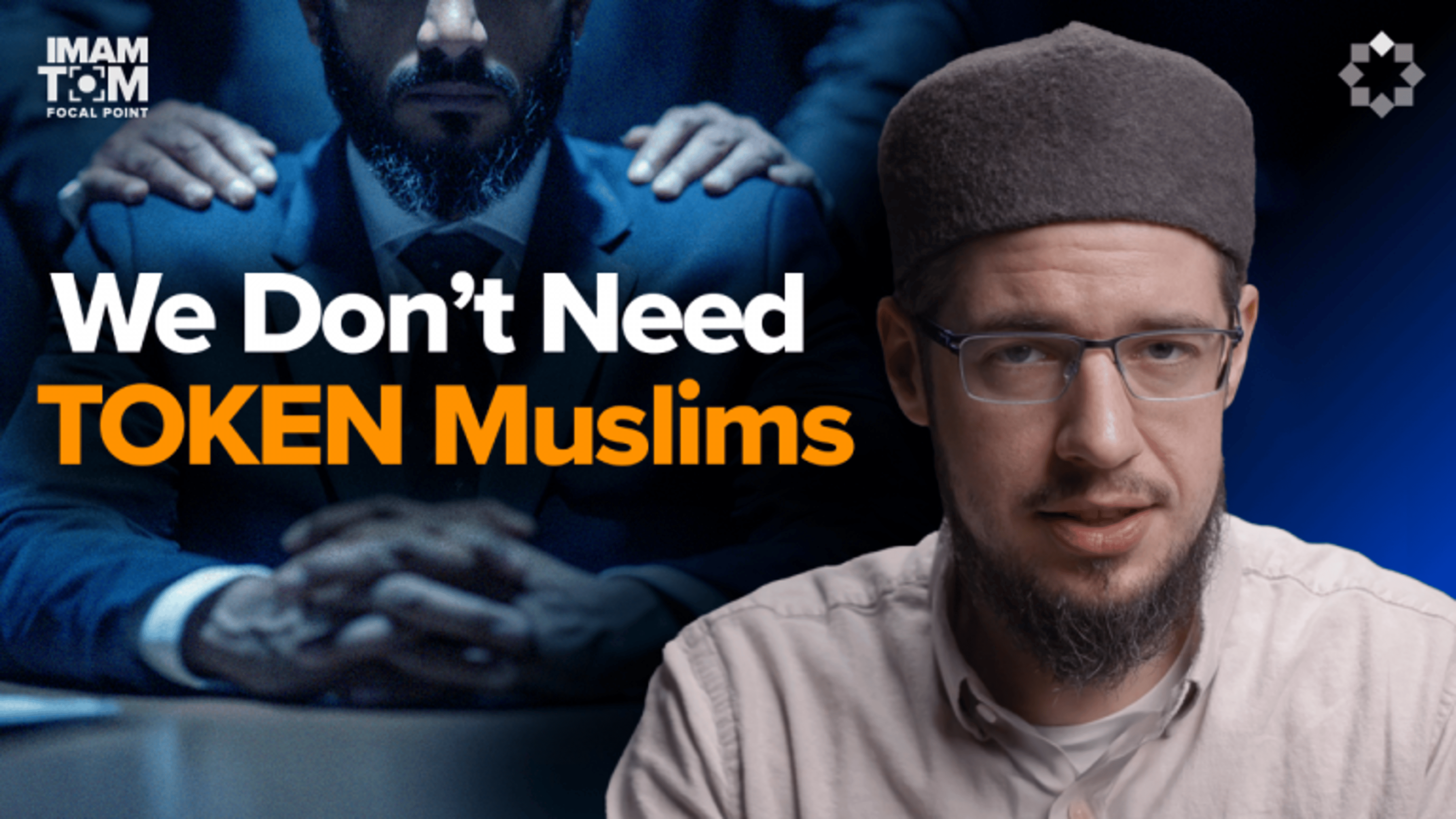
Representation Isn’t Working. Here’s Why. | Focal Point with Imam Tom Facchine

Is This Da’wah or Entertainment? | Snapshots with Imam Tom Facchine

Islam Isn’t Just Therapy | Snapshots with Imam Tom Facchine

The Hidden Bias in Every History Book | Focal Point with Imam Tom Facchine

How Your Victim Mindset is Destroying You | Snapshots with Imam Tom Facchine
Modesty Is More Than What You Wear | Snapshots with Imam Tom Facchine

Will Recognition Help Palestine? | Snapshots by Imam Tom Facchine
Israel’s Link to U.S. Anti-Terror Policy | Focal Point with Imam Tom Facchine
Living Up to the Prophet’s ﷺ Final Speech | Snapshots with Imam Tom Facchine
How Should We View Gaza’s Celebrity Support? | Snapshots with Imam Tom Facchine
How to Stop Falling for Fake Mahdis | Snapshots with Imam Tom Facchine

Columbus Wasn't Just After Gold – He Wanted Jerusalem | Focal Point with Imam Tom Facchine

Why Some Scholars Critique Resistance | Focal Point with Imam Tom Facchine
Why You Can’t Escape Organized Religion | Snapshots with Imam Tom Facchine
Kings Chased Thrones. He ﷺ Chased This Instead | Snapshots with Imam Tom Facchine
What Islam Reveals About Socialism and Capitalism | Focal Point with Imam Tom Facchine

What Real Masculinity Looks Like | Snapshots with Imam Tom Facchine

Amazon's Kill System & the Network Behind Sami's Detention | Focal Point with Imam Tom Facchine

The Truth About AI’s Intelligence | Snapshots with Imam Tom Facchine
What the Qur’an Says About Christianity | Snapshots with Imam Tom Facchine

How Does the Qur’an View the Bible? | Snapshots with Imam Tom Facchine

What ‘Allahu Akbar’ Really Means (And Why It Scares Them) | Snapshots with Imam Tom Facchine
Debunking the Myth of the ‘Oppressed Muslim Woman’ | Snapshots with Imam Tom Facchine
Why Not Every Seat is One Worth Taking | Focal Point with Imam Tom Facchine
What Sharia Law Actually Means | Snapshots with Imam Tom Facchine
Does Islam Actually Oppose Science? | Snapshots with Imam Tom Facchine

How ‘Taqiyya’ Became an Islamophobic Talking Point | Snapshots with Imam Tom Facchine
Who's Your Real Enemy? | Snapshots with Imam Tom Facchine
The Promise and Paradox of the Islamic Republic | Deep Dive: Iran Ep. 1 | Imam Tom Facchine
Iran vs. Saudi Arabia: Who Represents the Ummah? | Deep Dive: Iran Ep. 2 | Imam Tom Facchine
Should We Show Solidarity with Iran? | Deep Dive: Iran Ep. 3 | Imam Tom Facchine

Unforgettable Stories From Hajj | Imam Tom x Shaykh Elshinawy
Epstein and the Double Standard of Justice | Snapshots with Imam Tom Facchine
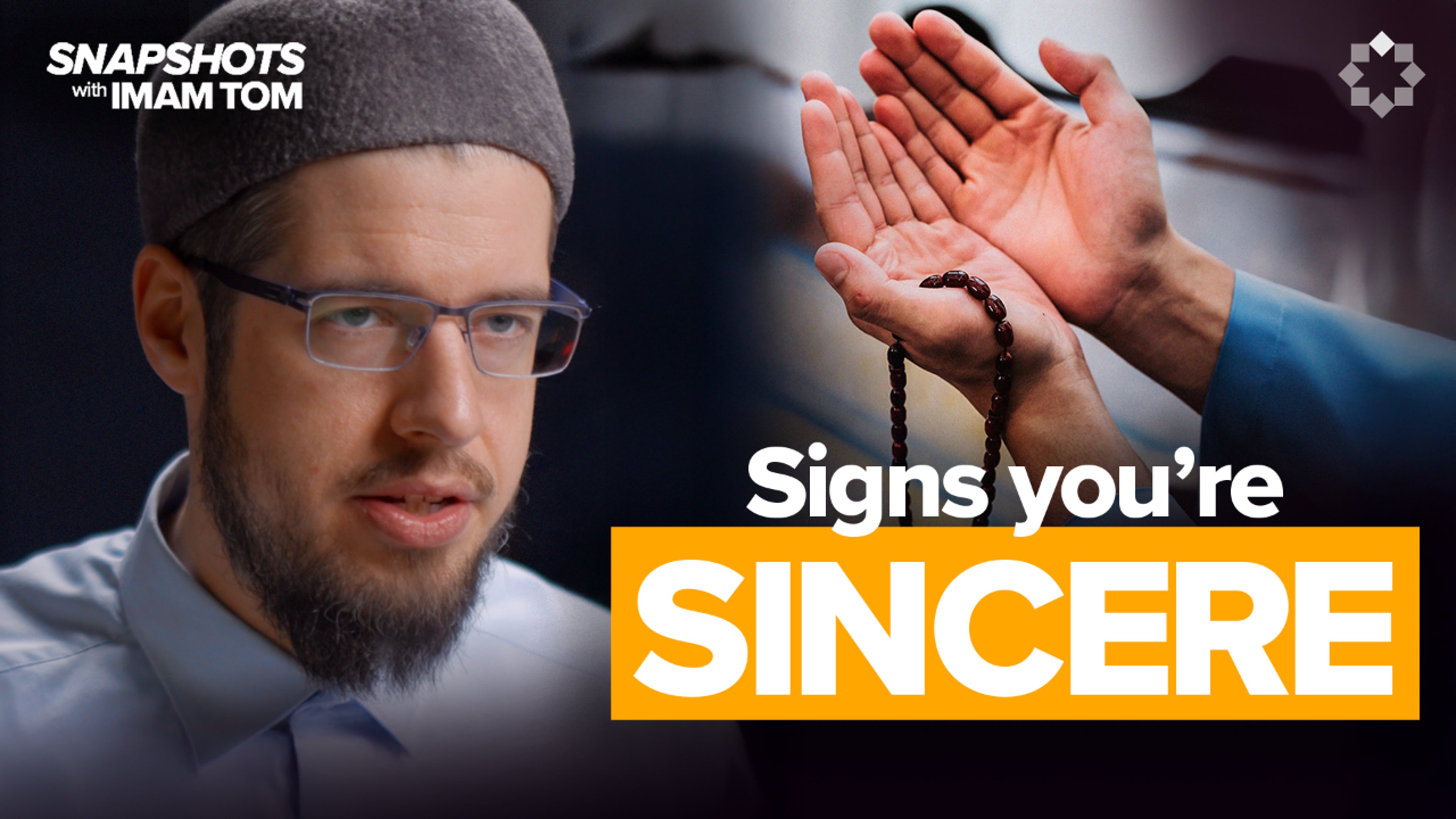
Are You Sincere? | Snapshots with Imam Tom Facchine
Imam Tom Live
Are You Sincere? | Snapshots with Imam Tom Facchine
Most of us measure our worship by how much we do: more prayer, more Qur’an, and more charity. But Allah doesn't grade us on volume alone.
In this Snapshot, Imam Tom Facchine works through one of the most uncomfortable questions in Islamic practice, one that even the Sahabah asked themselves: how do you actually know if you're sincere?